


B
A federal appeals court has ruled that John Sarcone was not lawfully serving as acting U.S. attorney for the Northern District of New York when his office issued subpoenas targeting New York Attorney General Letitia James.
The 2-1 decision from the U.S. Court of Appeals for the Second Circuit centered on the Federal Vacancies Reform Act (FVRA) and whether Sarcone could lawfully assume the role of acting U.S. attorney after being appointed First Assistant following the vacancy.
The decision could have broader implications for the way temporary U.S. attorneys are appointed and allowed to serve without Senate confirmation.
What Did the Appeals Court Decide?
The Second Circuit ruled on August 21, 2026, that Sarcone did not legally become acting U.S. attorney under the Federal Vacancies Reform Act.
The majority concluded that the law allows a First Assistant who was already serving in that position when the vacancy occurred to temporarily assume the duties of the vacant office.
According to the court’s reasoning, Sarcone did not satisfy that requirement because he was appointed First Assistant after the U.S. attorney position had already become vacant.
The majority therefore concluded that Sarcone did not have lawful authority to exercise the powers of acting U.S. attorney under the appointment pathway used by the government.
Judge Michael Park dissented.
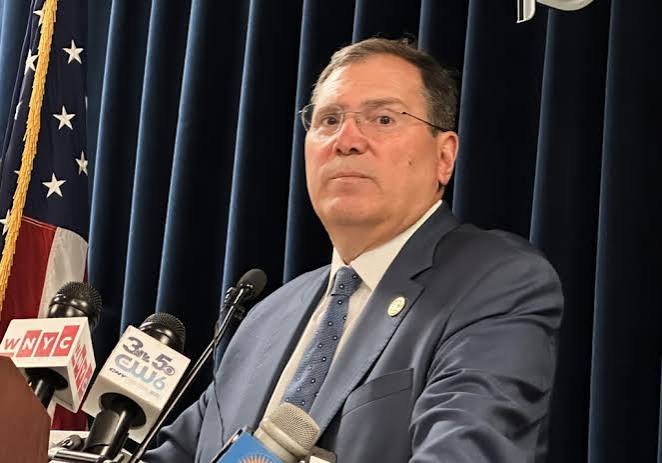
Why Was John Sarcone’s Appointment Challenged?
The dispute arose from the government’s efforts to maintain leadership at the U.S. Attorney’s Office for the Northern District of New York after the position became vacant.
Sarcone had previously served as an interim U.S. attorney under a separate appointment process. After the applicable statutory period expired, the government pursued another legal route to keep him in a leadership position.
Sarcone was appointed as a special attorney and became First Assistant U.S. Attorney. The government argued that this allowed him to assume the role of acting U.S. attorney under the Federal Vacancies Reform Act.
That interpretation was challenged in federal court.
The Second Circuit ultimately rejected the government’s position, concluding that the timing of Sarcone’s appointment as First Assistant prevented him from qualifying under the relevant FVRA provision.

What Is the Federal Vacancies Reform Act?
The Federal Vacancies Reform Act, commonly known as the FVRA, establishes rules governing the temporary filling of certain vacant federal positions.
Among its provisions, the law allows certain First Assistants to perform the duties of a vacant office temporarily.
The dispute in Sarcone’s case focused heavily on when the First Assistant must have been serving.
The Second Circuit majority interpreted the law to mean that the individual must already hold the First Assistant position when the vacancy occurs.
The court’s reasoning was that allowing the government to appoint a First Assistant after a vacancy and then immediately use that appointment to install the person as acting officer could undermine the restrictions established by Congress.
How Does Letitia James Fit Into the Case?
The case is connected to subpoenas issued by Sarcone’s office involving New York Attorney General Letitia James.
James challenged the subpoenas and argued that Sarcone lacked lawful authority to serve as acting U.S. attorney when his office took the relevant actions.
The dispute eventually reached the Second Circuit, placing Sarcone’s appointment authority at the center of the case.
The appeals court’s ruling therefore has implications for the legal authority underlying actions taken by Sarcone while he was serving under the disputed appointment arrangement.
What Happened in the Lower Court?
The Second Circuit’s decision followed an earlier ruling from a federal district court that also questioned Sarcone’s authority to serve as acting U.S. attorney.
The lower-court proceedings focused on whether Sarcone’s appointment complied with federal law and whether the government could rely on the Federal Vacancies Reform Act after appointing him First Assistant following the vacancy.
The dispute was subsequently appealed to the Second Circuit.
The appeals court’s 2-1 ruling now provides the controlling interpretation within the Second Circuit unless the decision is reversed or otherwise altered by a higher court.
Justice Department Plans Supreme Court Appeal
The Justice Department has indicated that the Trump administration intends to challenge the ruling before the U.S. Supreme Court.
That potential appeal could turn the case into a major test of the Federal Vacancies Reform Act and the government’s authority to temporarily fill vacant federal prosecutor positions.
The Supreme Court could ultimately be asked to determine whether an individual appointed as First Assistant after a vacancy has occurred can subsequently assume the duties of acting U.S. attorney under the FVRA.
Why the Sarcone Ruling Matters
The case is significant beyond Sarcone himself.
The Trump administration has faced legal challenges involving temporary U.S. attorney appointments in several jurisdictions.
Those disputes have raised questions about how long federal prosecutors can remain in office without Senate confirmation and whether the executive branch can use alternative appointment mechanisms after statutory time limits expire.
The broader issue is the balance between executive authority and the statutory limits Congress has placed on temporary federal appointments.
The John Sarcone U.S. attorney appointment ruling could therefore become an important reference point in future disputes involving acting federal prosecutors.
Similar Challenges Elsewhere
Sarcone’s case is part of a wider legal debate over temporary U.S. attorney appointments.
Other disputes have involved prosecutors including Alina Habba in New Jersey, Sigal Chattah in Nevada, and Bill Essayli in California.
Although the facts and legal circumstances differ from case to case, the disputes share a common question: how the federal government can lawfully maintain temporary prosecutors in office when Senate-confirmed appointments have not been made.
The outcome of Sarcone’s case could influence how similar appointment disputes are argued in the future.
What Happens to John Sarcone Now?
The Second Circuit’s decision establishes that, under its interpretation of federal law, Sarcone was not lawfully serving as acting U.S. attorney under the appointment pathway used by the government.
However, the ruling does not automatically resolve every legal question concerning actions taken during his tenure.
The Justice Department’s planned appeal could lead to further proceedings and potentially bring the dispute before the Supreme Court.
The ultimate impact of the decision will therefore depend on whether the Supreme Court agrees to review the case and, if it does, how the justices interpret the Federal Vacancies Reform Act.
What Could the Decision Mean for Future Appointments?
The Second Circuit’s reasoning could make it more difficult for future administrations to use a similar appointment strategy.
If the decision remains in effect, the government may face additional restrictions when attempting to appoint a First Assistant after a vacancy has already occurred and then use that appointment as the basis for an acting appointment.
A Supreme Court ruling could provide a nationwide answer to the question.
If the Supreme Court agrees with the Second Circuit, the decision could impose additional limits on the government’s use of the First Assistant mechanism.
If the Supreme Court reaches the opposite conclusion, the executive branch could have greater flexibility when filling vacant federal prosecutor positions temporarily.
The Bigger Legal Question
At the heart of the dispute is a relatively technical question with potentially broad consequences:
When a federal prosecutor’s position becomes vacant, who can legally perform the duties of that office on a temporary basis?
The Second Circuit majority answered that question narrowly.
Its interpretation was that the relevant First Assistant must already be serving when the vacancy occurs. Simply appointing someone to the First Assistant position after the vacancy does not automatically make that person eligible to become acting U.S. attorney under the FVRA.
That interpretation could become significant if similar appointment disputes reach other federal appeals courts or the Supreme Court.
What Happens Next?
The immediate next step is expected to be the Justice Department’s effort to seek further review.
If the administration petitions the Supreme Court, the justices will first decide whether to hear the case.
If the Supreme Court accepts the case, its eventual ruling could clarify the scope of the Federal Vacancies Reform Act and determine how the statute applies to future temporary U.S. attorney appointments.
Until then, the Second Circuit’s ruling remains an important decision concerning the appointment authority of federal prosecutors in the Northern District of New York.
Final Takeaway
The john sarcone us attorney appointment ruling centers on whether John Sarcone could lawfully serve as acting U.S. attorney after being appointed First Assistant following an existing vacancy.
The Second Circuit ruled 2-1 that he could not.
The decision was based on the court’s interpretation of the Federal Vacancies Reform Act and the timing of Sarcone’s appointment.
The Justice Department plans to appeal, potentially sending the dispute to the Supreme Court.
The case could ultimately have consequences for how future administrations fill temporary federal prosecutor positions across the United States.
Frequently Asked Questions
Who is John Sarcone?
John Sarcone is a federal prosecutor who served as First Assistant U.S. Attorney and acted as the top federal prosecutor for the Northern District of New York.
Why was John Sarcone’s appointment challenged?
His authority was challenged because he was appointed First Assistant after the U.S. attorney position had already become vacant. The Second Circuit concluded that this did not satisfy the relevant requirements of the Federal Vacancies Reform Act.
What did the Second Circuit rule?
The court ruled 2-1 that Sarcone was not lawfully serving as acting U.S. attorney under the appointment pathway used by the government.
Was Letitia James involved in the case?
Yes. The dispute involved subpoenas issued by Sarcone’s office that were challenged by New York Attorney General Letitia James.
Will the Justice Department appeal?
The Justice Department has indicated that the Trump administration intends to seek review of the decision by the U.S. Supreme Court.
More News & Updates
For more breaking news, U.S. politics, legal developments and major national stories, visit Her Style Daily.
Visit our website: www.herstyledaily.com


3 Comments
Comments are closed.